
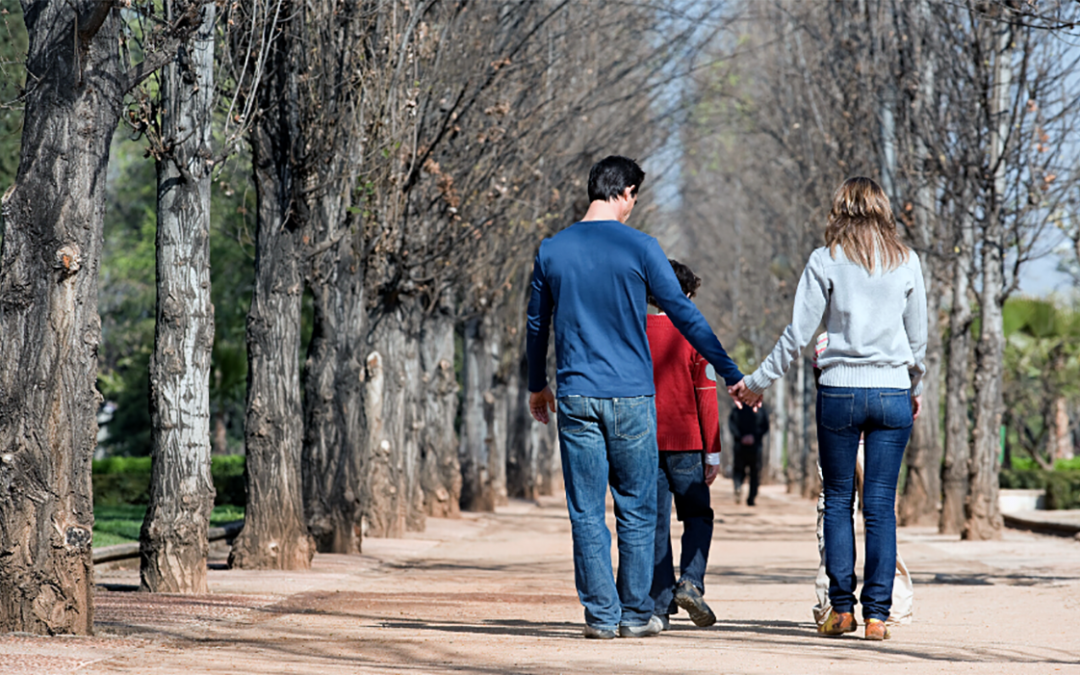
Life as we know it
By E. Adam Porter, Editor
One thousand feet above the Fryar Drop Zone, the sky fills with deployed canvas. The crowd below cheers. Cameras flash, and smartphones film the final jump for the U.S. Airborne class graduating on March 20, 2020. Back on terra firma, these newly-minted Airborne soldiers move into formation and march to the parade ground, where they are welcomed by enthusiastic family members eager to pin on the wings that are the emblem of this singular achievement.
Second and third generation Airborne soldiers receive priority, as their parents and grandparents who served before them come forward to bestow the physical representation of their legacy. Then, other names are called. Mothers, fathers, siblings, and friends advance in small groups to greet their soldiers and pin on their wings.
At their turn, four people step from the crowd, two adults and two small children running ahead to greet their big brother across the field. They come together, and Mom reaches up, tears in her eyes, pinning wings on her eldest boy, knowing they will have only one day together until he moves on to his next duty station, where there will be more training and, perhaps, a deployment across an ocean. Another deployment.
All across the parade field, this scene repeats. Handshakes, hugs, words of appreciation, congratulations, and pride. Little brothers and sisters fling their arms around their heroes, peppering them with questions: How does it feel to jump? What was it like up in the sky? Are you going to war? So many questions…
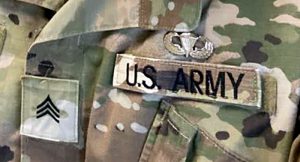
I stand back and watch the scene, my eyes full of pride, marveling once again at the man my eldest son has become. Poised, confident, and squared away. I blink back tears, and the scene blurs, shimmers… and disappears…
Because it never happened.
Instead, the coveted wings were passed out in an informal setting, just a few soldiers and NCOs, freshly scrubbed hands and tense expressions. All around them, life at Fort Benning was changing. And life outside the gates? Not a clue. No one had been allowed to leave for a week.
Similar scenes have played out across the United States and across the world in recent weeks. The novel coronavirus has upended and suspended life as we know it. Memories that might have been made will never be. Walls where photos might have hung will remain empty, waiting for the next opportunity to experience something timeless. People who planned a fun spring break full of relaxation and family time are in the hospital or sick at home. Others, hoping to avoid this fate are self-quarantining, trusting social media to offer some semblance of connection. Hotels are closed. Flights are canceled. Beach access has been roped off.
Clubs, groups, businesses —even entire states — have closed down all but “essential” services. Educators across the country are desperately trying to learn how to teach using technology they had never seen before yesterday, and parents are trying to figure out how to help their kids learn from home, when many of them have to return to work.
Others have no work to return to. Stores, restaurants, service businesses, and many companies, large and small, have closed their doors, or they have found some kind of accommodation to make it worthwhile to keep the doors open. Curbside service, reduced hours, online sales, and the omnipresent “social distancing.”
Life is definitely different these days. And, in that difference there is legitimate fear, understandable concern, and ample opportunity. With each day, medical professionals and infectious disease researchers are learning more about how to fight this silent, faceless menace. They have cautioned all of us to follow a few simple guidelines. Chief among these is, “Don’t panic.” Our infrastructure is sound, and no one benefits from a freaked-out populace acting as if the apocalypse is upon us.
There are strange stories coming out of Thailand, footage of “gangs” of rival monkeys fighting in the streets over a single scrap of food. The tourists who generally keep them fat and happy are gone, and the monkeys are experiencing sudden scarcity of a kind they have never seen. Similar behavior has been observed in the toilet paper aisle at American grocers. We have to be better than that. Stores are getting new shipments almost daily. There is no need to hoard. American businesses like 3M (respirators) and GE (ventilators) are ramping up the manufacturing of key medical supplies. Large retailers are offering to hire laid-off or furloughed workers, so they can get products out faster, and those people have cash to pay their bills.
If we look for it, there is good news out there, hope shining among the toxic cloud of fear, uncertainty, and disease. If we choose to take a collective breath, keep our heads, follow the simple suggestions from the CDC, and look out for each other, this will pass. Our community and this nation will likely operate differently for some time, and it will probably look different even once all this is over; but in the meantime, we all get to choose, individually and collectively, how Life in the Time of Covid-19 plays out.
Already, examples of the right way to do this are all around us. People offering to pay for strangers’ groceries, sharing essentials, and reaching out to check on friends they have not heard from in a while. Local musicians are playing impromptu concerts in their driveways. Members of groups, kept away from public facilities, are meeting virtually, laughing and sharing stories.
Step back, squint a bit, and it almost looks like life used to. Families taking walks. Playing games and sharing meals. People discovering new hobbies, dusting off old projects, and brushing up on forgotten skills. Person by person, house by house, community by community, we are all finding ways to come together and get through this. Life as we know it sure ain’t what any of us want it to be right now. The challenges and the risks are very real. All we can do is make the best of it. And maybe share a roll of toilet paper. Or two.

The Newest Credit Card Scam
The Newest Credit Card ScamBy Diane M. Loeffler “I am trying to lock up two guys who are raising havoc here,” says Deputy Jeffrey Merry. “We identified one of them last week and one on Monday.” Merry says that at this point the criminals have been calling...
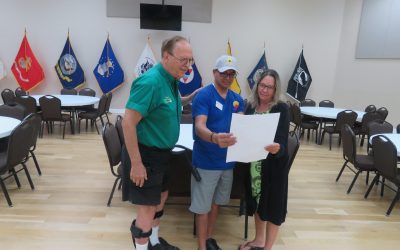
Veterans and Spouse Information Fair April 2
“Rules concerning veteran care change. That’s why we have invited all the federal, state and county agencies who provide veteran services to participate in a Veterans and Spouse Information Fair on April 2 in Sun City Center,” said Bill Hodges, member of...
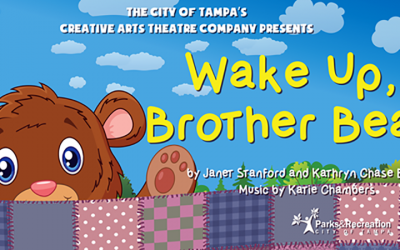
A Special Interactive Arts Event for Young Children
Watch as Brother and Sister Bear experience a full year of glorious seasons. See a waterfall melt, meet a butterfly, chase an elusive fish, and skate on an icy pond. In this show, especially for the very young, children are invited to join the action with...
Operation Medicine Cabinet
Help save Hillsborough Waterways! Bring Your expired or unused medications to South Bay Hospital, 4016 Sun City Center Blvd. on Friday, April 5, 2019, from 9 – 12 p.m. According to the Florida Department of Environmental Safety, expired or unwanted...
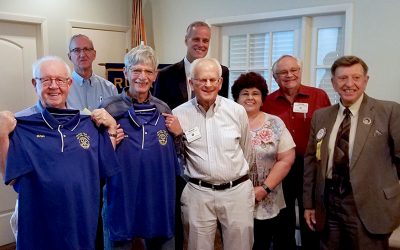
SCC Rotary Welcomes New Members
In March the Sun City Center Rotary Club welcomed two new members to the club. In the photo: (l-r) are Brian Pawley, Rea Cantwell (President), Frank Slesnick, Steve Overton (Past President), Mike Binder (new member sponsor), Georgana Collins, Ron Banaszak,...

Project Aims to Enhance SCC Curb Appeal
Project Begins to Enhance SCC Curb Appeal The Sun City Center Charitable Foundation, Inc. is starting the Great Neighborhoods Project to enhance SCC neighborhoods’ common areas with aesthetic improvements to improve the pride, property values, and...
0 Comments